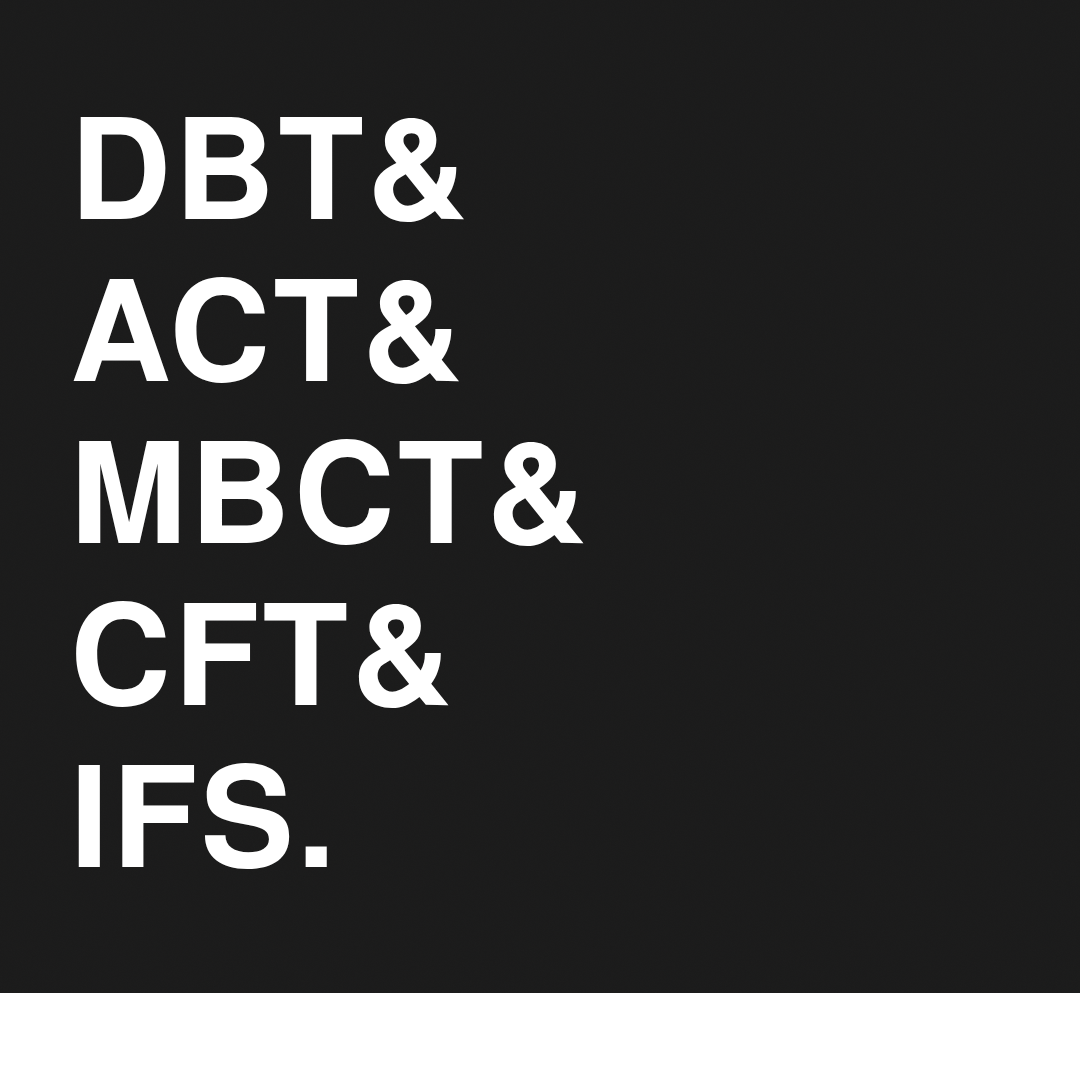
The clinical flex. Evidence-based, set in Helvetica Bold, stacked like the records that taught the city to read. You know what they mean. The hoodie tells the room you can spell them.
Two stacks supplied as the canonical source. Helvetica-bold modality acronyms separated by ampersands, set tight, ranged left. The whole drop is built from these two pieces. Every variation extends them — never replaces them.
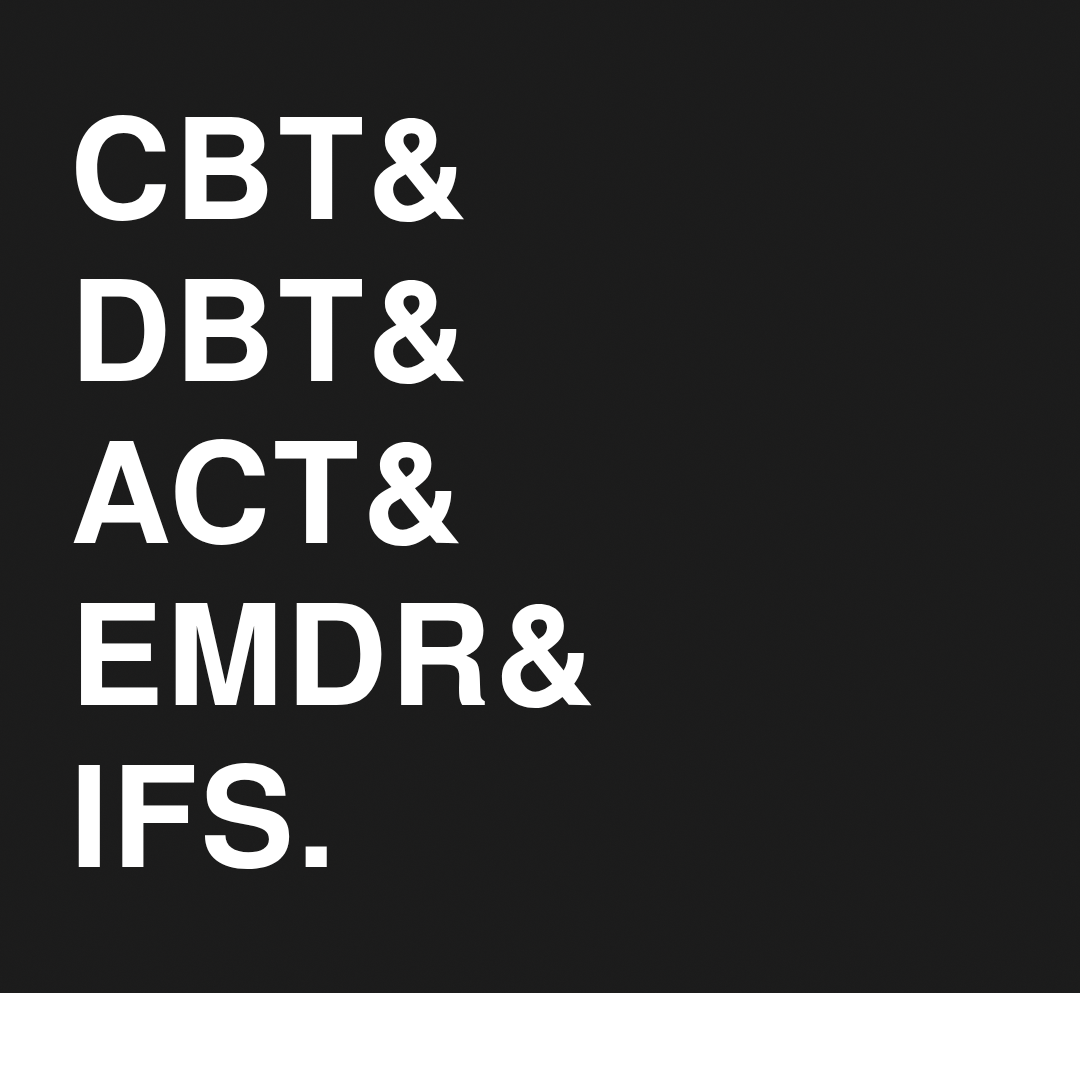
8oz mid-weight, bone or ink. The print sits chest-left, two inches below the collar. Periods are kept. Ampersands do the visual heavy lifting.
12oz brushed fleece. The print scales up by 25% on the crewneck — when the garment carries more weight, the type does too.
14oz heavyweight. Hood lined. The front carries the stack. The right sleeve carries the full modality list, vertical, running from shoulder to cuff. So when your arm's on the bar, the list reads.
Twenty-four pieces, hand-splattered in the studio after print. Each one signed, numbered, sealed. No two read the same way. The drops on the print are part of the brand — the hand on it is part of the receipt.
Sleeve run, back print, interior tag. The garment carries the brand even when the front is hidden under a jacket.
Each stack is curated by the founder. No "trauma-informed" merch with no trauma training behind it. Each garment ships with a small card explaining what the acronyms actually mean — because if you're going to wear it, you should be able to defend it.
Twelve SKUs across tees, crewnecks, and hoodies. Six stacks. Three colorways. Twenty-four splatter pieces, hand-numbered. The Trauma Set ships with a one-page literature card; the Recovery Set ships with a small chip in the pocket. No restocks.